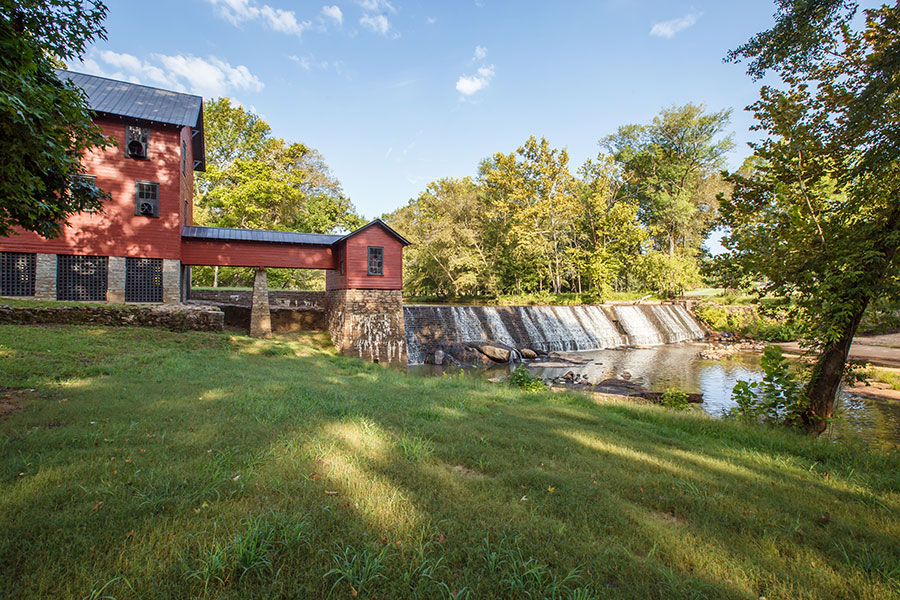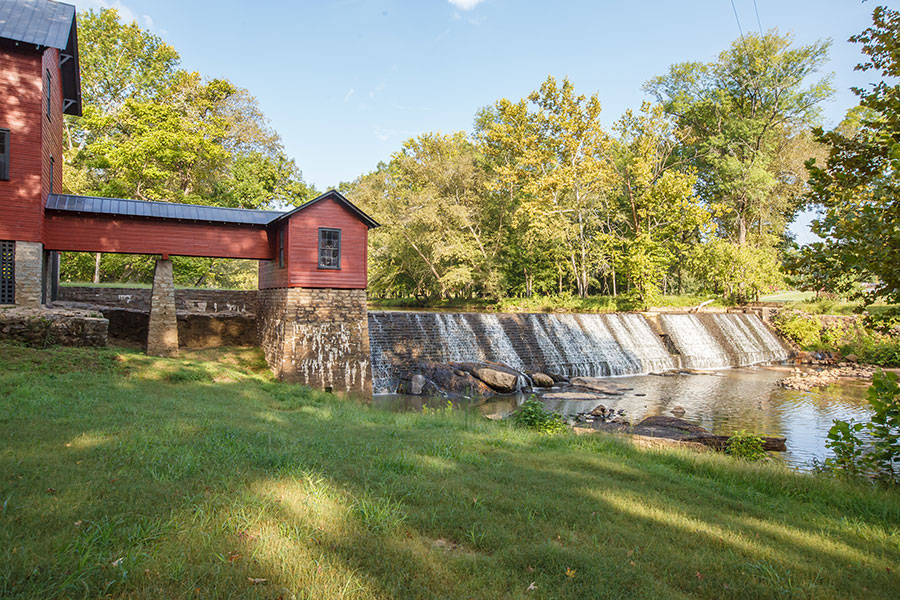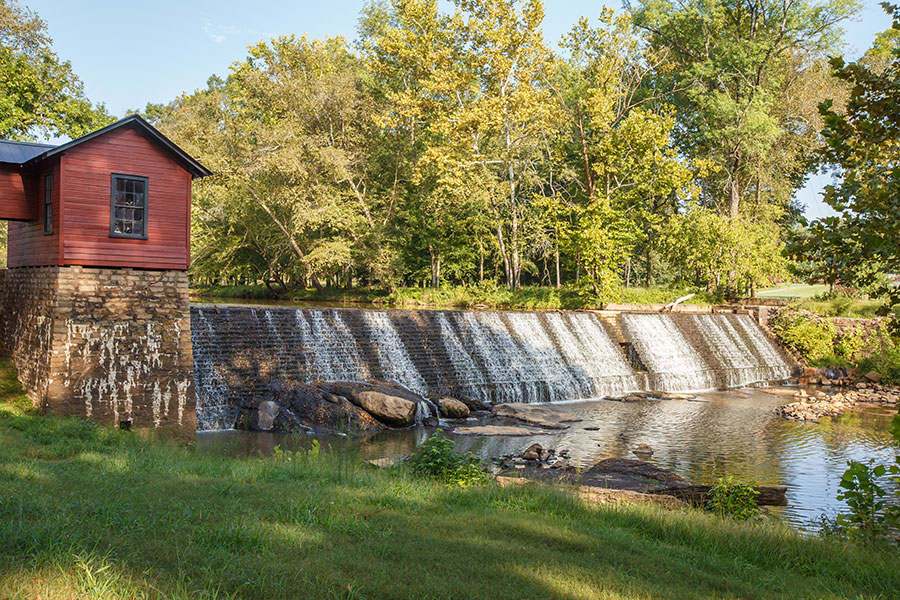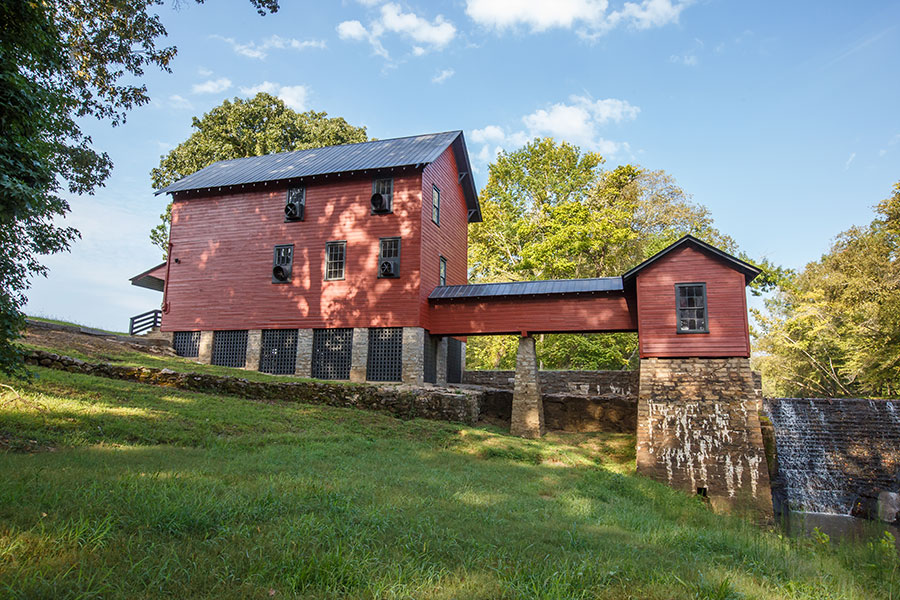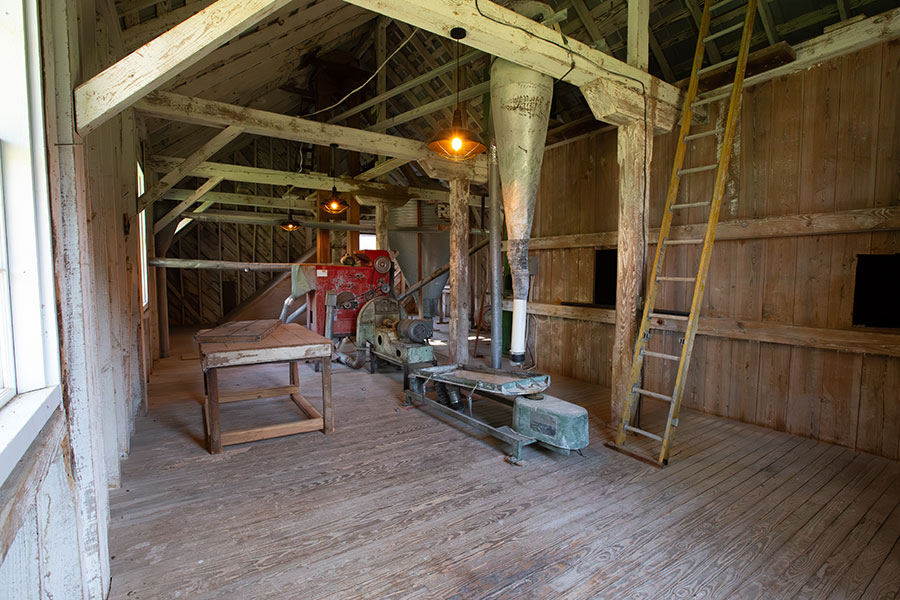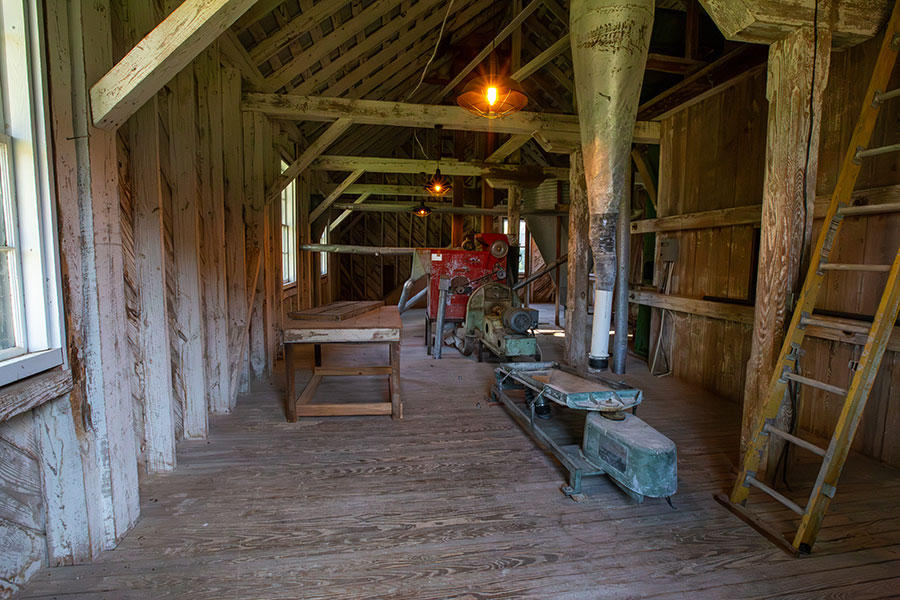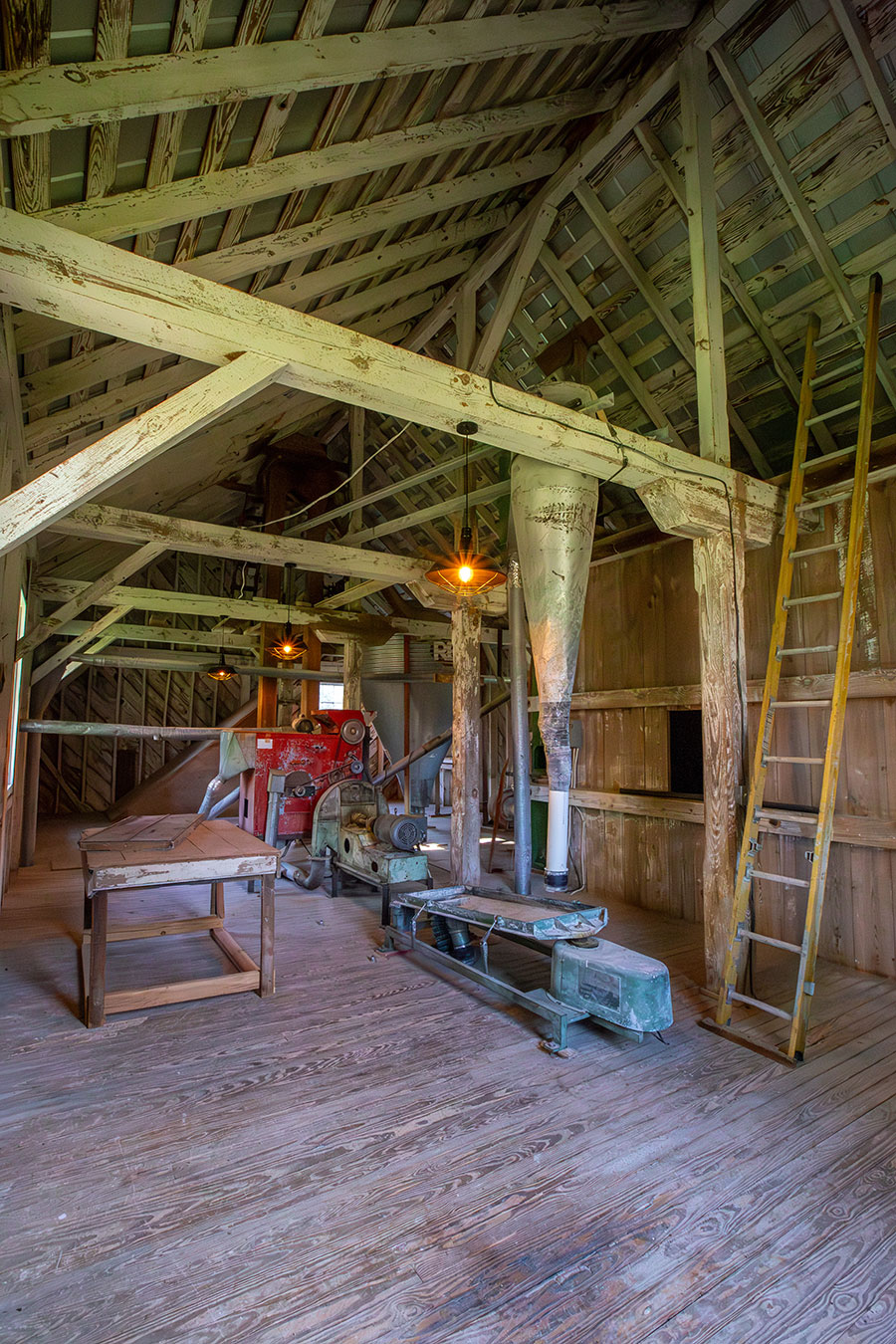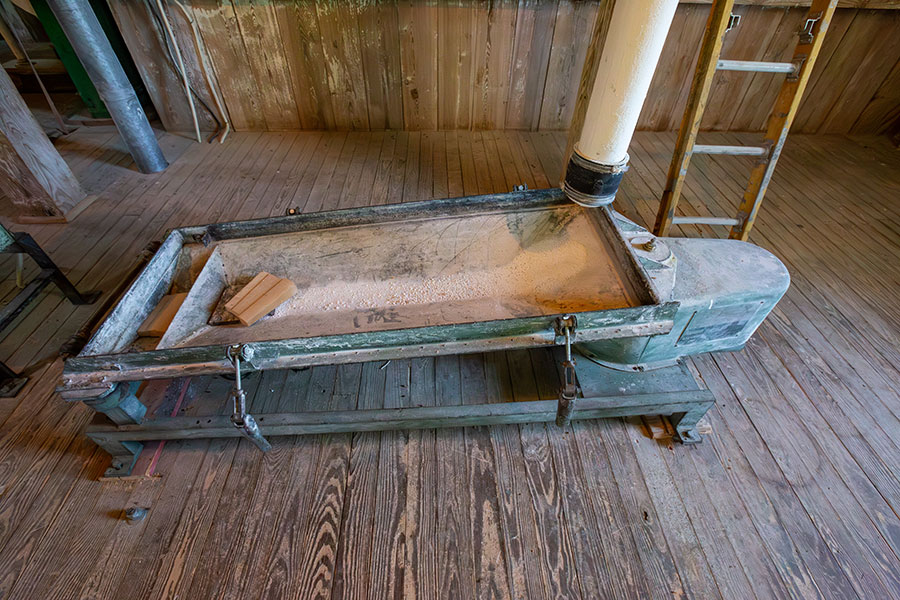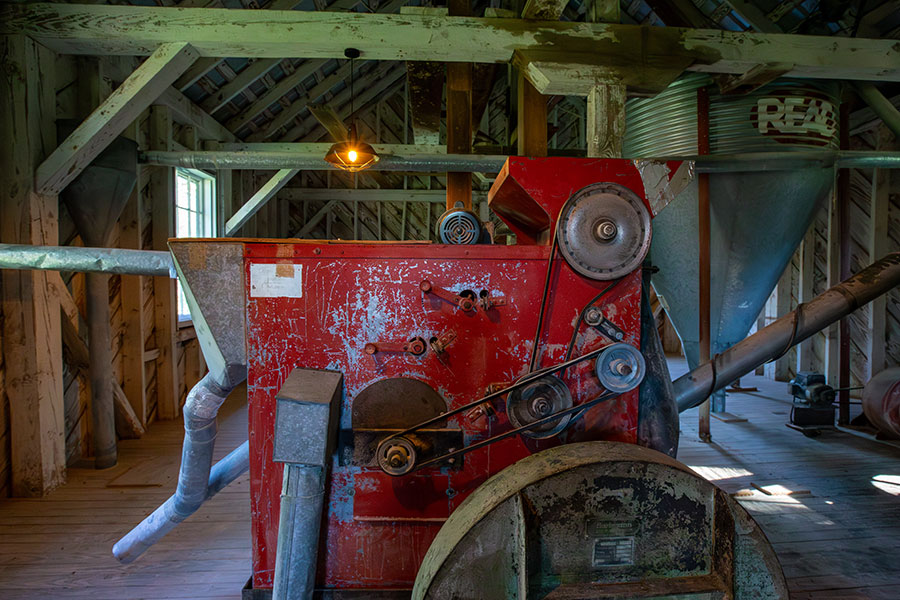
The Historic Ogeechee River Mill
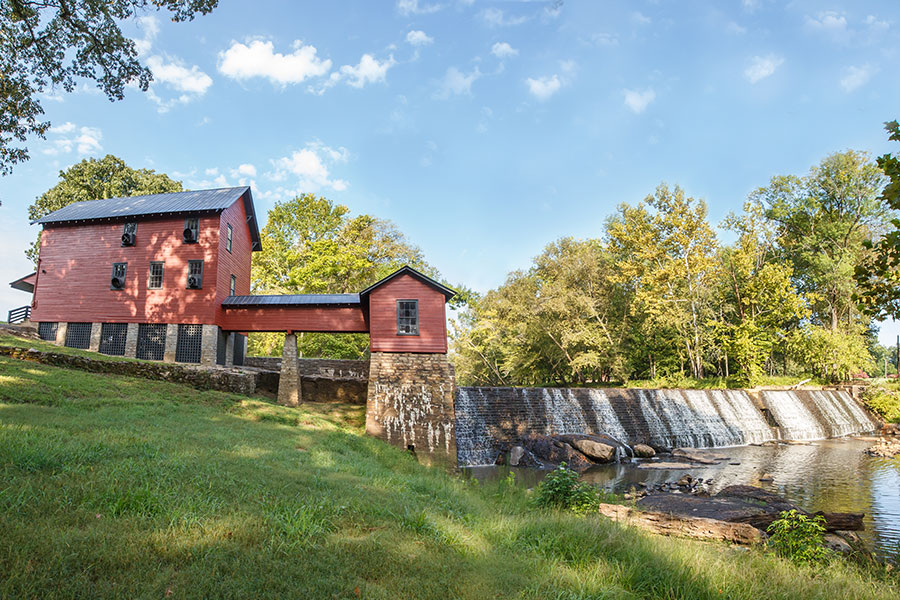
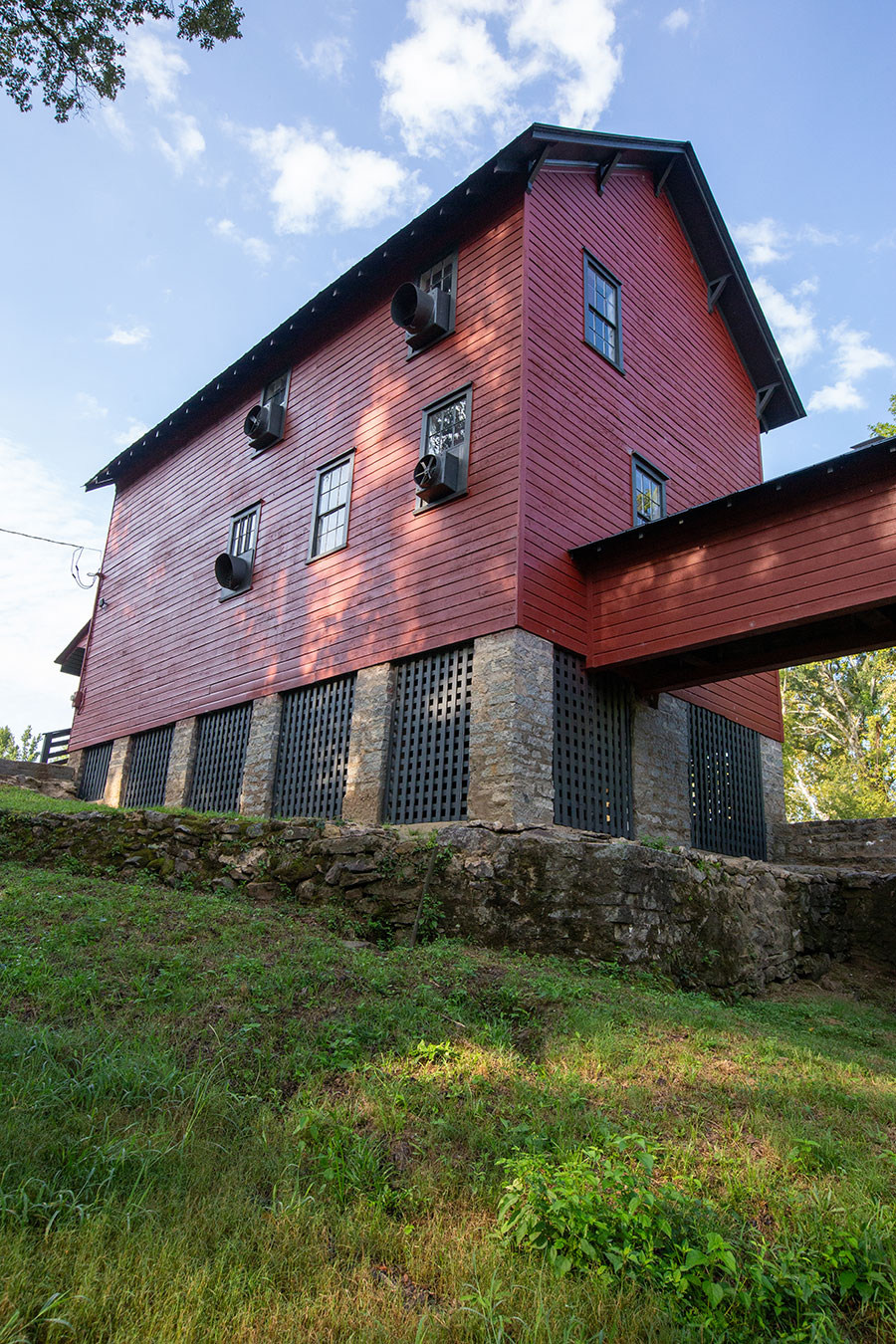
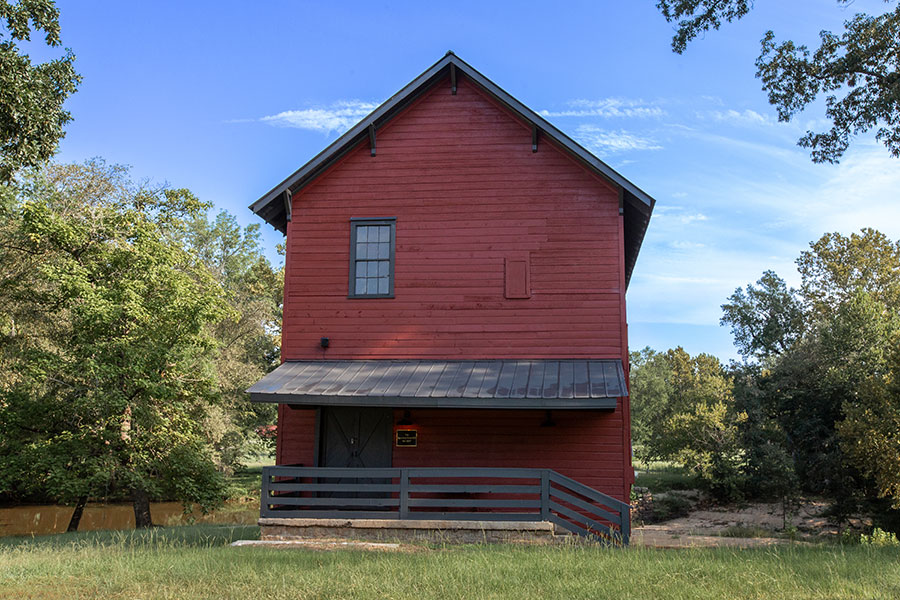
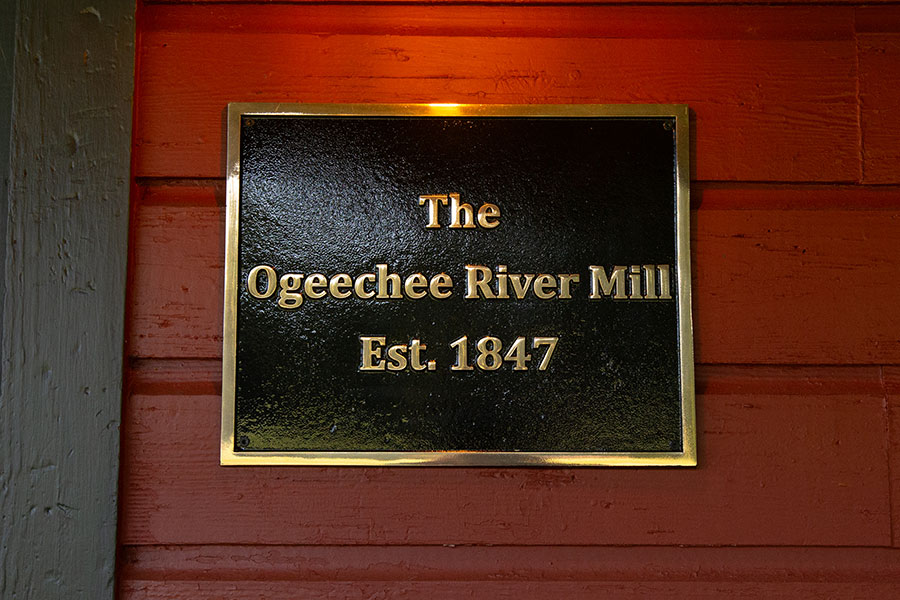
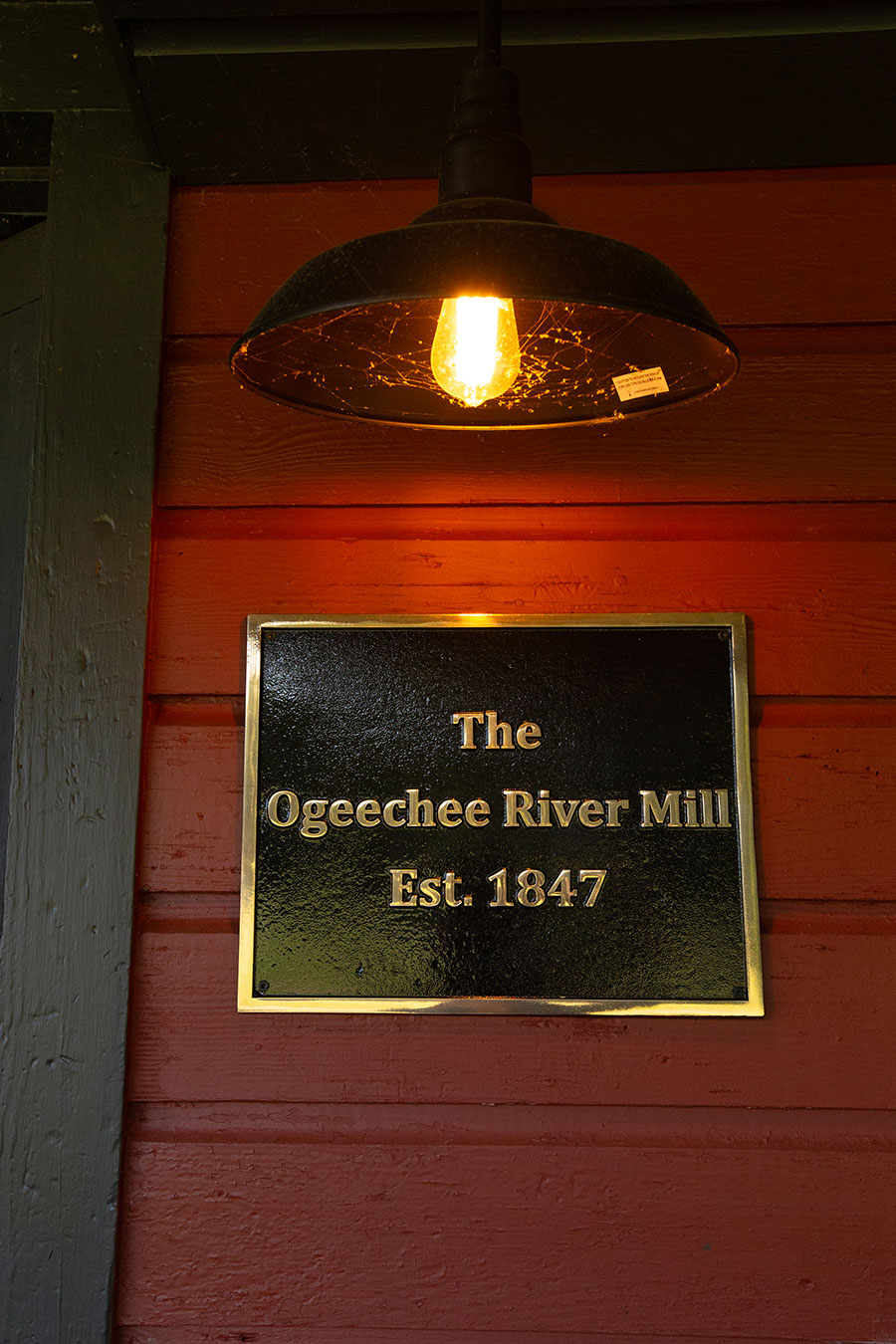
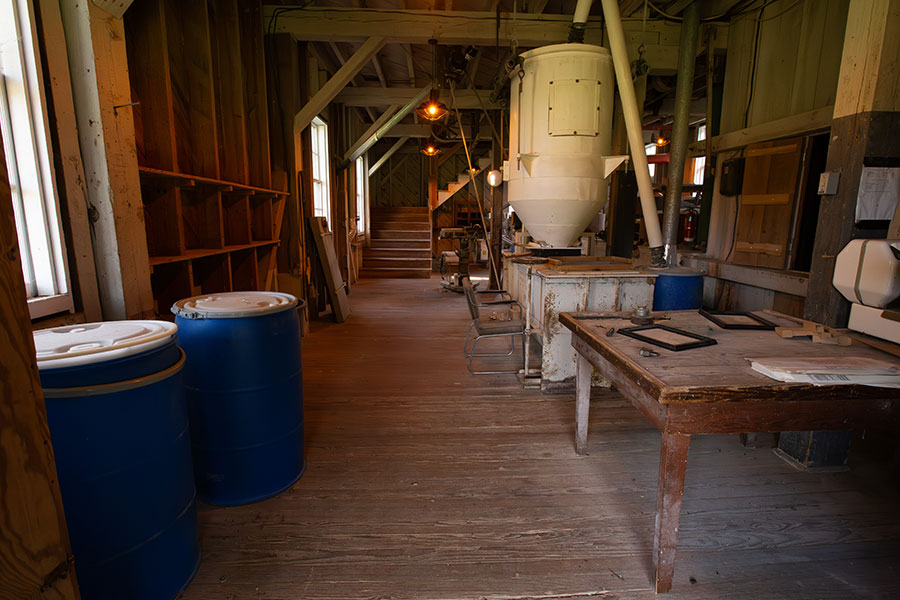
Along the banks of the Ogeechee River, where Hancock and Warren counties meet, stands one of Georgia's remarkable surviving pieces of agricultural history—the Ogeechee River Mill.
For generations, the mill served the farms and families of this part of rural Georgia, harnessing the power of the Ogeechee River to grind locally grown corn. Georgia tourism and Warren County historical sources trace the mill's operation to 1826, making the milling tradition at this location nearly two centuries old.
A Mill at the Heart of an Agricultural Community
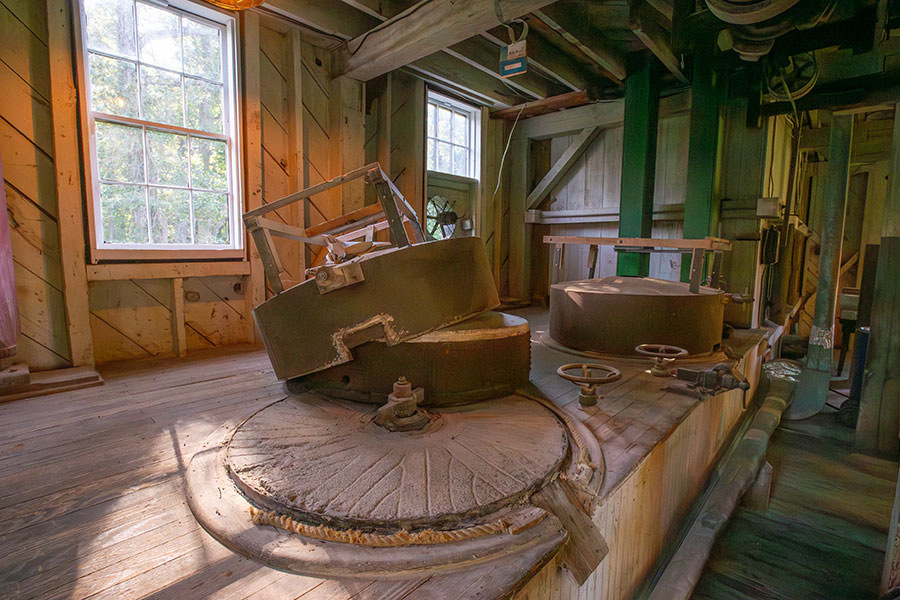
Long before electricity and modern feed mills transformed agriculture, gristmills were essential to rural communities. Farmers brought their harvested grain to local mills, where water power turned machinery and millstones that transformed corn into meal and other usable products.
The Ogeechee River was particularly well suited to this kind of industry. Its shoals provided a natural source of power, and mills and other early industries developed along the river. Historical records show that milling was deeply established in this region by the nineteenth century. In fact, an 1855 statistical account recorded seven flouring and gristmills in Hancock County, illustrating just how important milling was to the local agricultural economy.
The area became known historically as the Shoals of Ogeechee. Contemporary newspaper records from 1847 document industrial activity there and identify Thomas Cheely and a superintendent and machinist working at the Shoals of Ogeechee, providing a fascinating period record of the area's agricultural and mechanical activity.
Powered by the Ogeechee
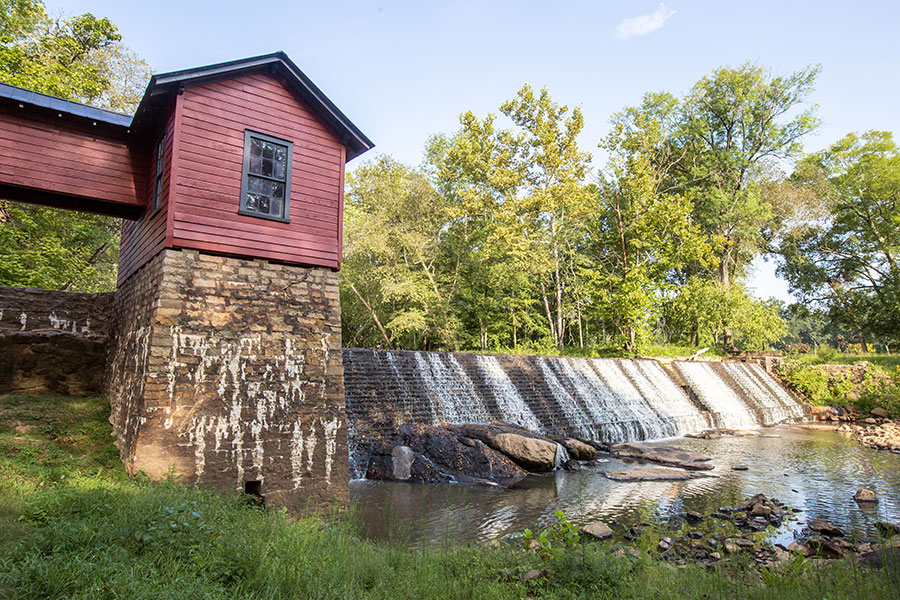
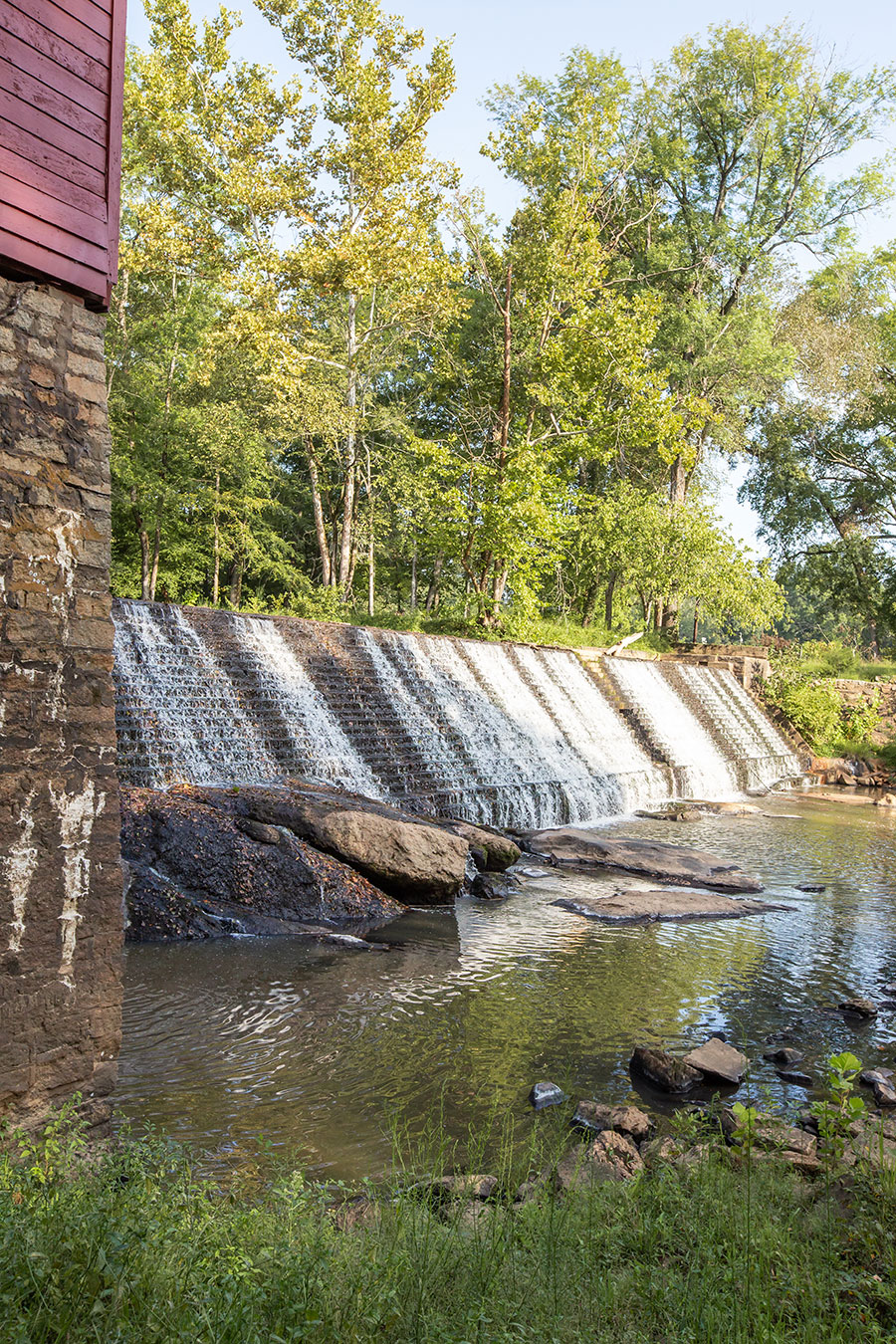
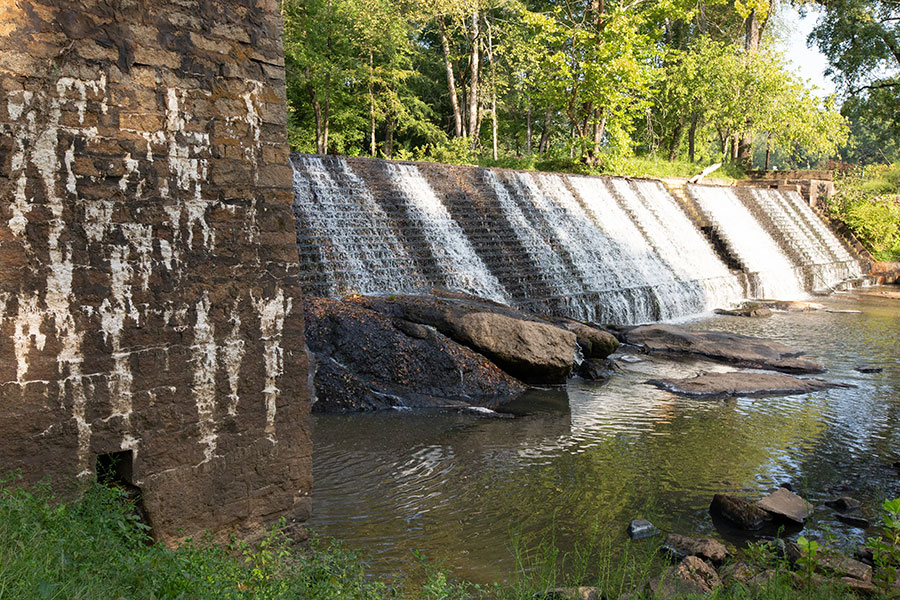
What makes the Ogeechee River Mill especially significant is its connection to the river itself.
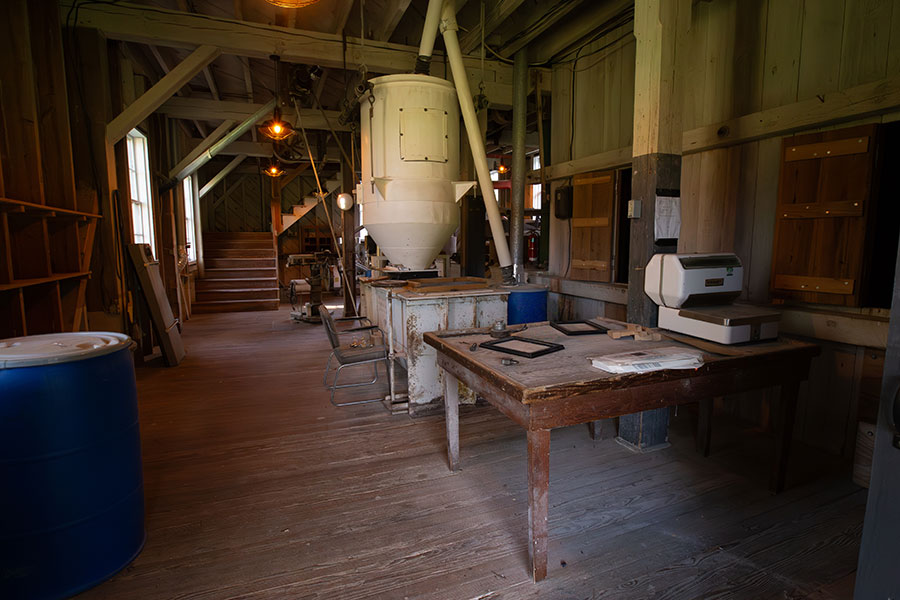
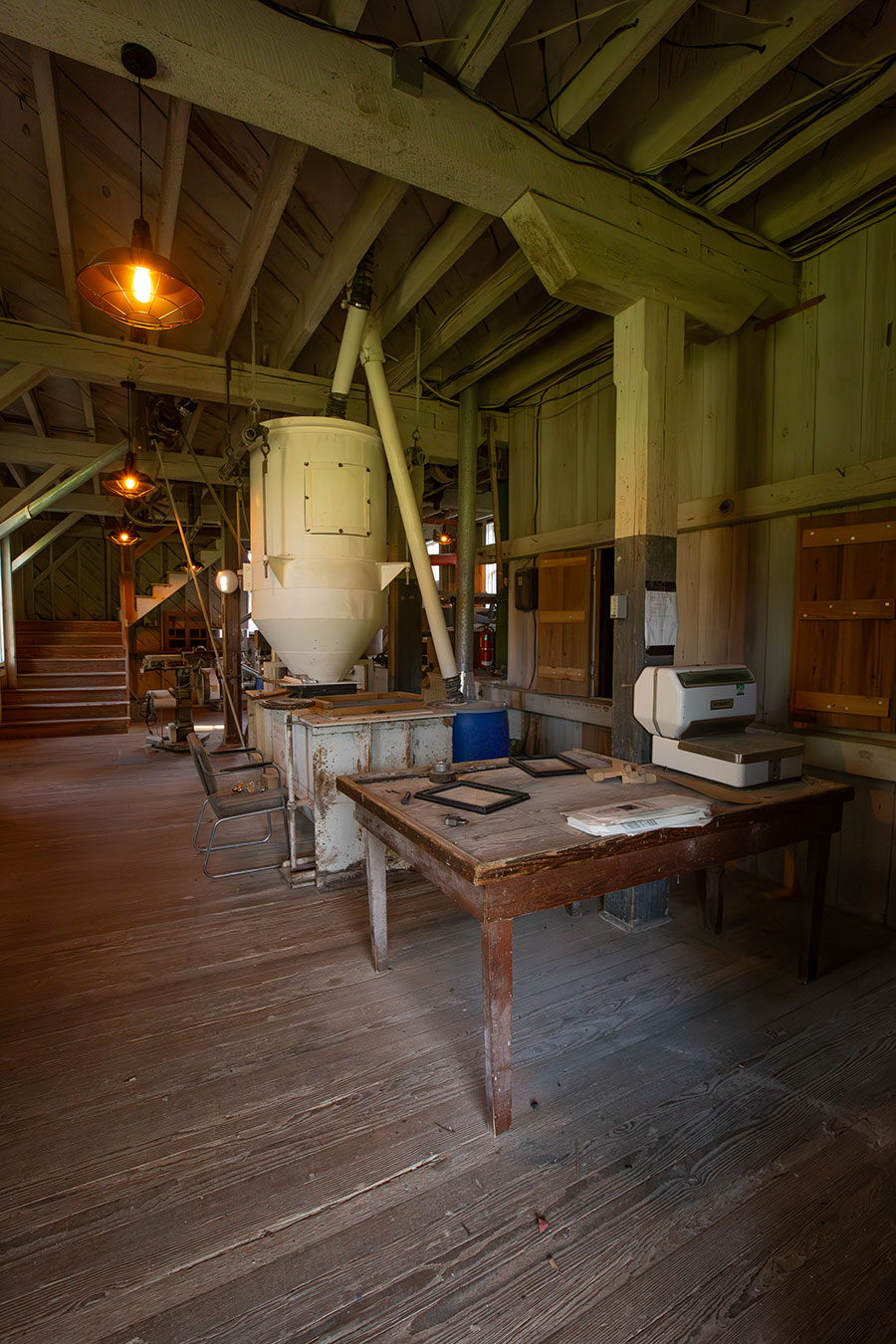
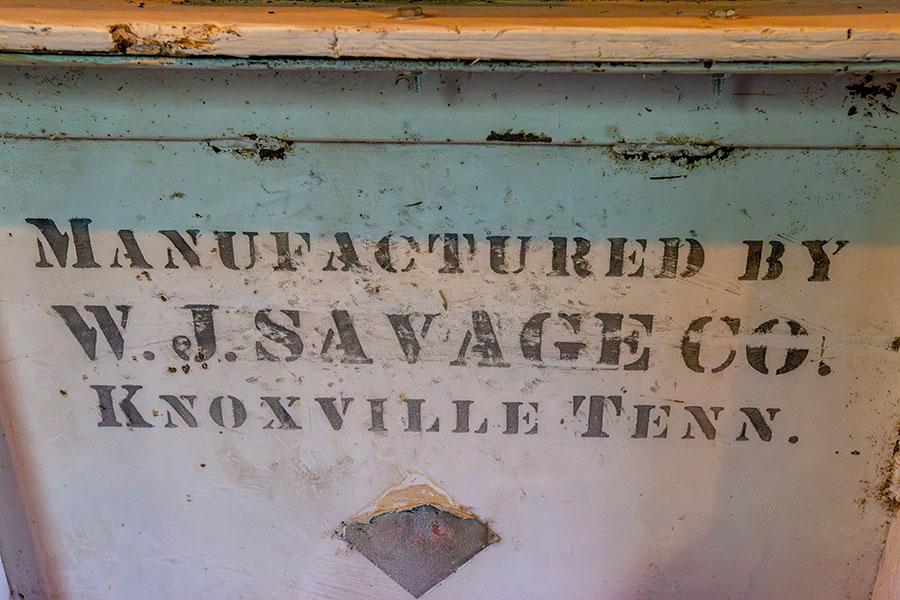
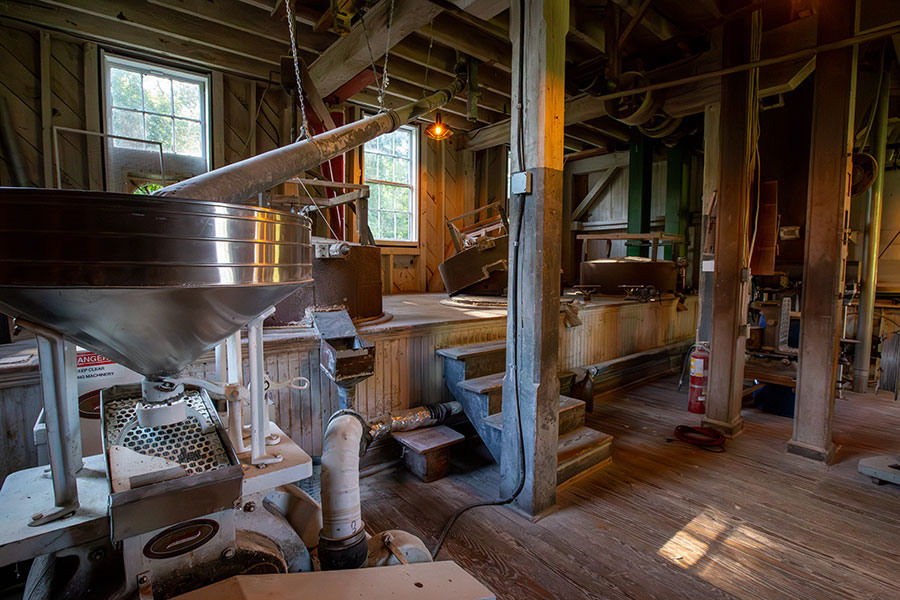
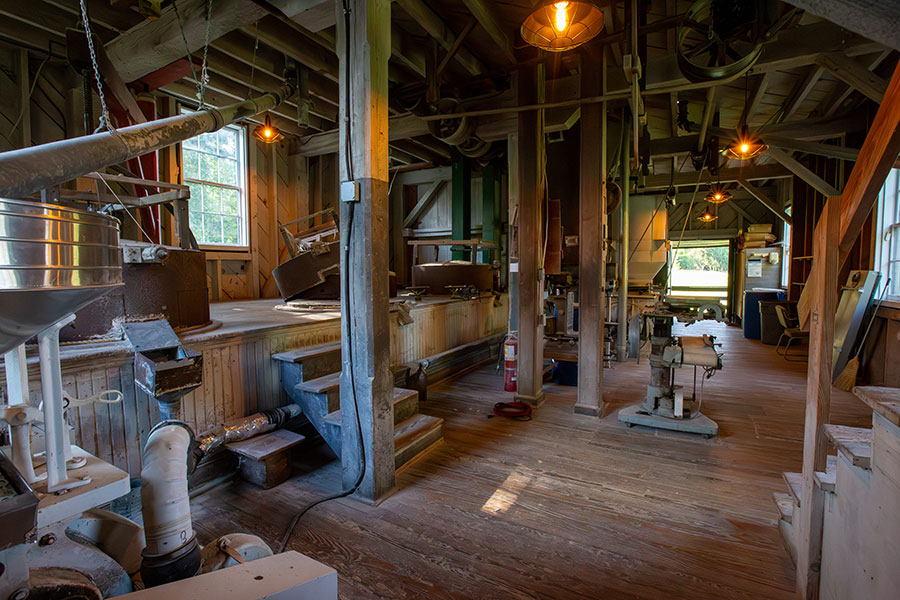
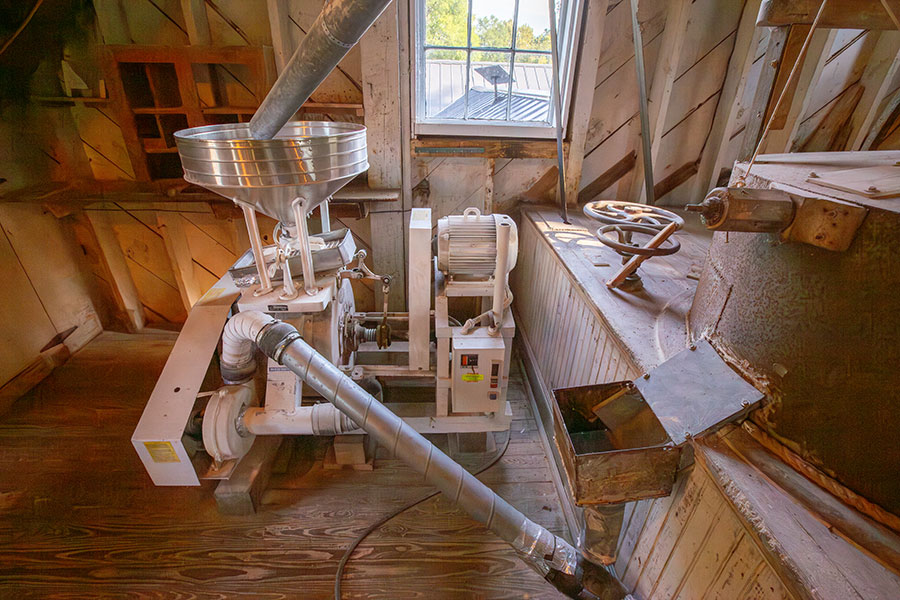
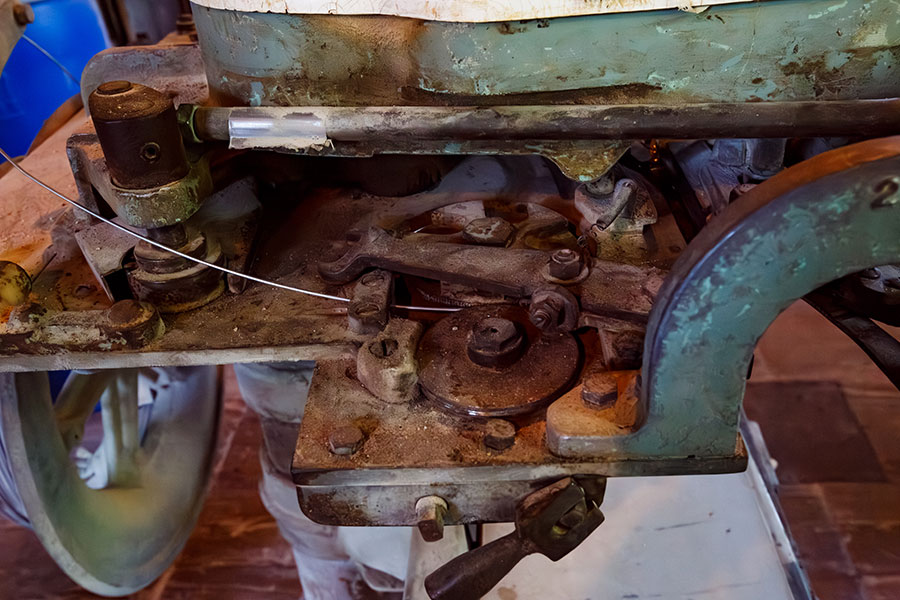
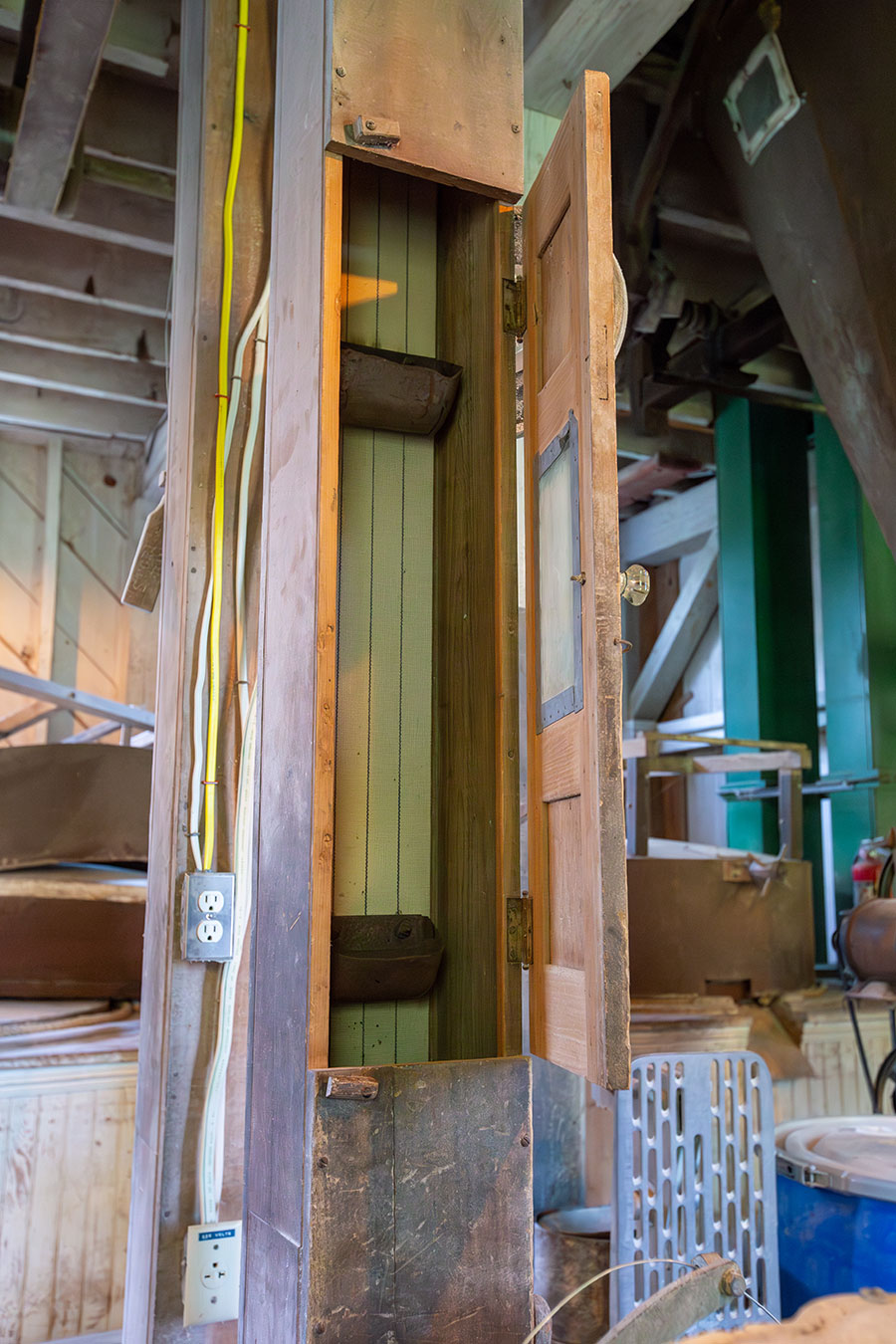
Rather than relying originally on an outside source of power, the mill used the flowing waters of the Ogeechee to operate its machinery. A later engineering report documenting a visit to the mill described it as turbine-powered and noted that the machinery had received upgrades over the years that allowed the mill to remain operational well into the modern era.
This represents a form of technology that once defined rural America: using the natural energy of moving water to perform work that would otherwise have required enormous amounts of human or animal labor.
The mill was therefore more than a building beside a river. The river was part of the machine.
Flood, Relocation and Survival
The building standing along the Ogeechee today is also a story of survival.
Historical accounts indicate that an earlier mill stood on the opposite side of the river. After flooding in the early 1930s, the mill was relocated or reconstructed on the other bank at approximately its present location. Sources differ slightly on whether this occurred in 1932 or 1933, but they agree that the move was undertaken in response to flooding.
That relocation became another chapter in the mill's long history rather than its end.
The mill continued doing what generations before had depended upon it to do: grind corn.
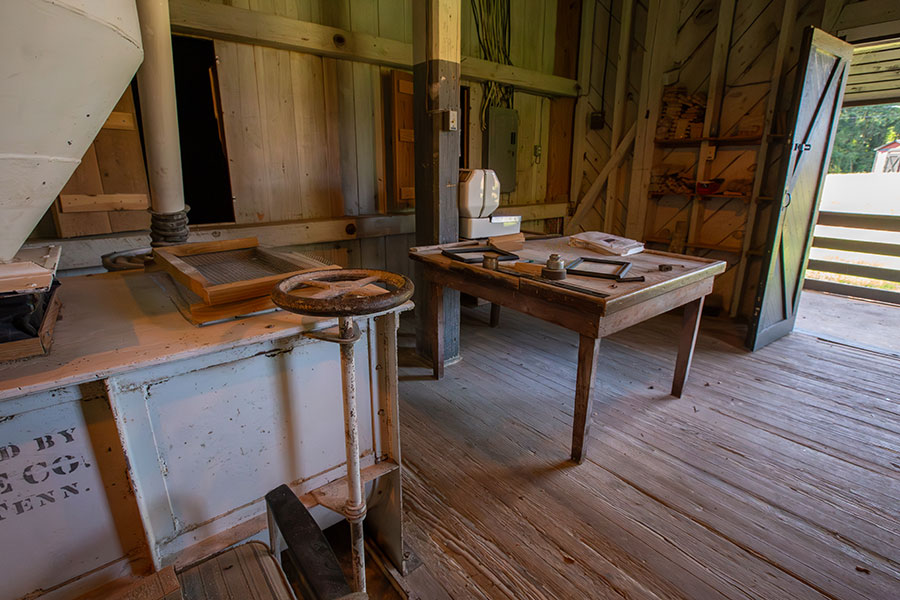
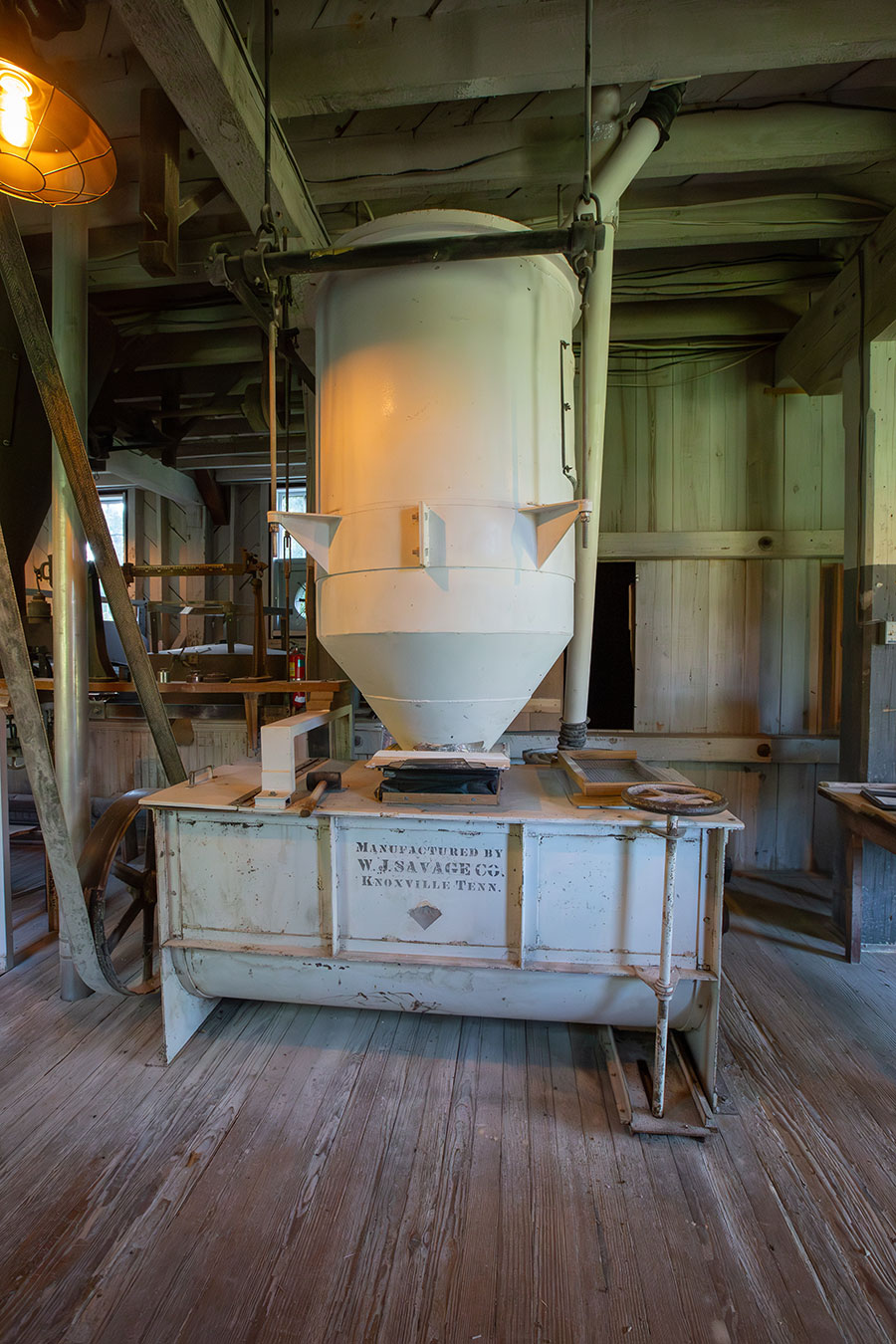
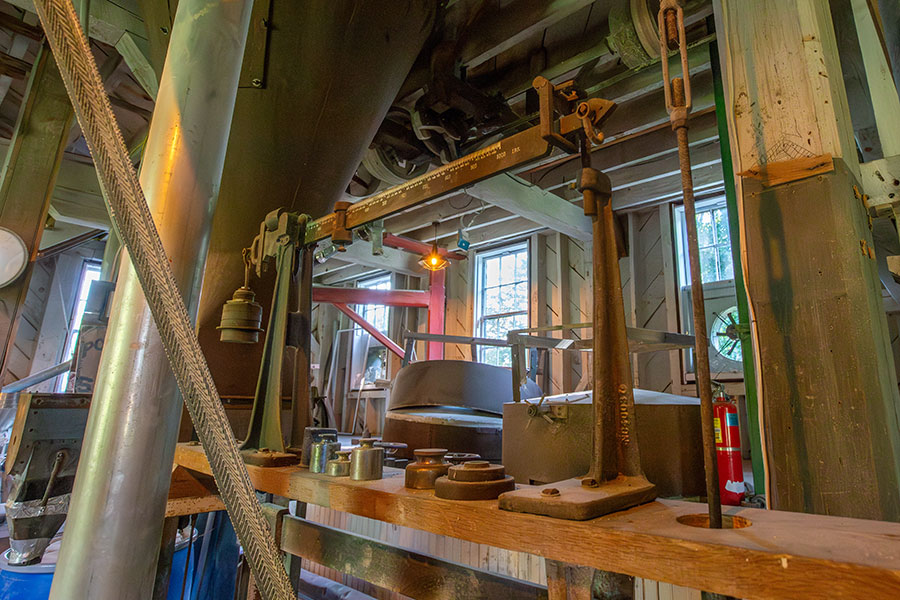
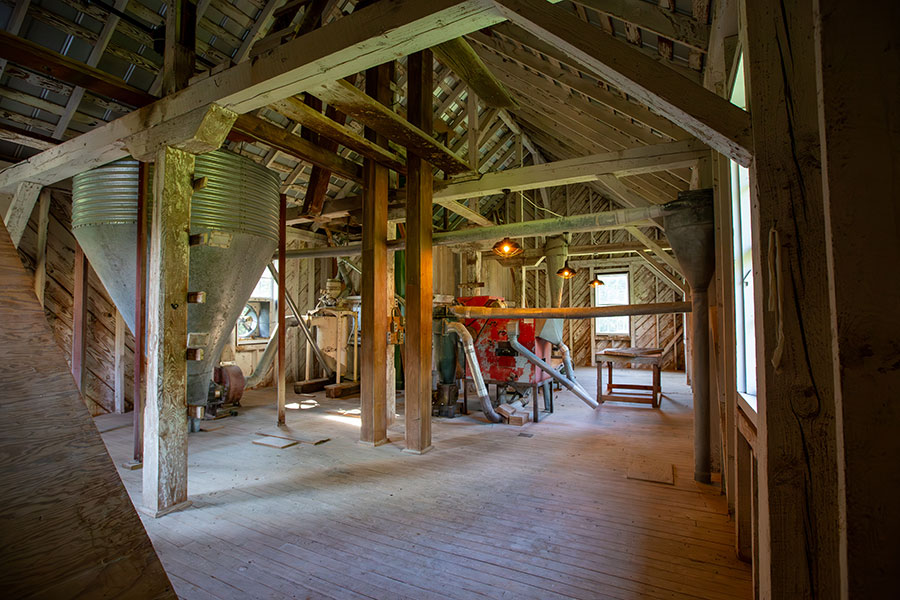
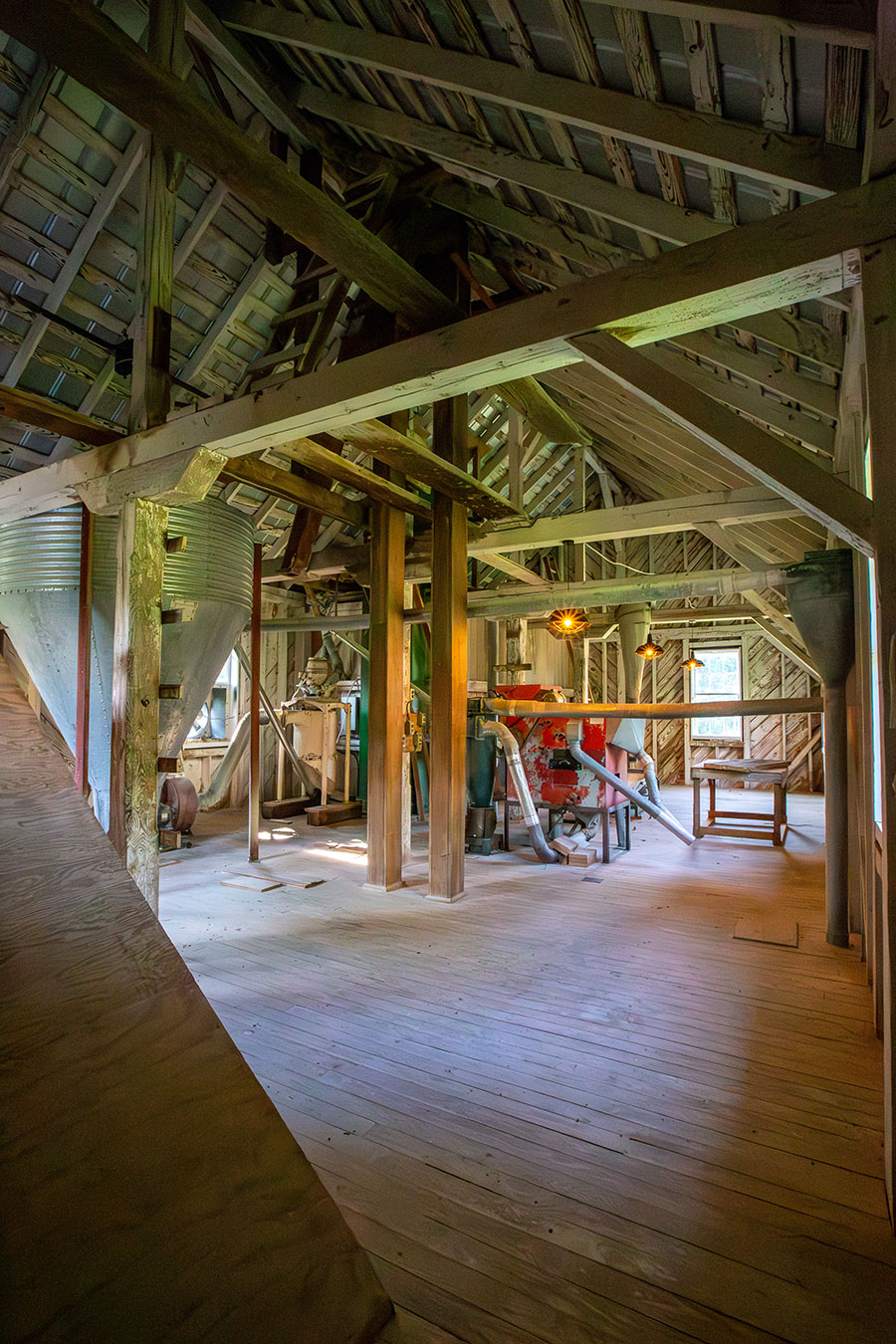
Remarkably, modern historical accounts describe the Ogeechee River Mill as not merely a preserved building but as a working mill. Explore Georgia states that the mill continued to grind corn in the traditional manner, while historical photographers have documented its machinery and unusually well-preserved condition.
Nearly Two Centuries of Georgia Agriculture
The mill's importance extends beyond its machinery.
It represents a period when the rhythms of life in Hancock County and the surrounding countryside were closely connected to the land, the harvest, and the river.
Corn grown in nearby fields was brought to mills like this one. Water supplied the power. Mill machinery performed the work. The finished meal returned to local farms and homes.
The Ogeechee River Mill survived as agriculture changed around it—from animal-powered farming and hand labor through mechanization, electricity and modern commercial agriculture.
The New Georgia Encyclopedia recognizes the Ogeechee River Mill as a notable Warren County landmark and reports that it has been grinding corn since 1826. The State of Georgia likewise identifies it as a historic corn mill on the Ogeechee at the Warren–Hancock County line.
Preserving the Mill at DeChron Farm and Cattle Company
Today, the historic Ogeechee River Mill enters another chapter of its story under the stewardship of DeChron Farm and Cattle Company.
For us, ownership of the mill carries with it something greater than ownership of an old building. It is the responsibility of caring for a tangible piece of the agricultural history of Sparta, Hancock County, Warren County, and the Ogeechee River.
The values represented by the mill—agriculture, hard work, resourcefulness, stewardship and community—remain closely connected to what we believe today.
As we care for the surrounding land and continue our agricultural operation in Sparta, we are proud to be the current stewards of a landmark that has stood witness to generations of Georgia farming.
Our goal is to respect its history, preserve its character, and ensure that the story of the Ogeechee River Mill continues to be told for generations to come.